See and do

Glenashdale Falls - Isle of Arran
History & Heritage
This stunning waterfall at the Glenashdale Burn is also known by its gaelic name, Eas a’ Chrannaig.
03 The Arran

St Mary's Chapel - Isle of Bute
History & Heritage
St Mary’s Chapel was built near Rothesay as the second parish church on the island, after St Blane’s in the south. It can be dated to approximately 1320.
04 The Bute

Scottish Industry Railway Centre - Waterside
History & Heritage
The only steam railway in south west Scotland, it's a 'living museum' of industrial steam and diesel trains
04 The Bute

Darvel - Ayrshire
Towns & Villages
Darvel is a small town in East Ayrshire, on the right bank of the River Irvine.
04 The Bute

Barr - Ayrshire
Towns & Villages
Barr is a small village in the South West of Ayrshire, around 8 miles from the town of Girvan.
04 The Bute
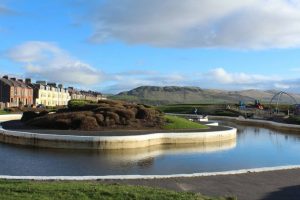
Girvan - Ayrshire
Towns & Villages
Girvan is a large town situated in South Ayrshire and is a popular visitor destination.
04 The Bute
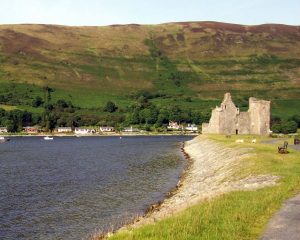
Lochranza - Isle of Arran
Towns & Villages
Lochranza, a village on the Isle of Arran, boasts a dramatic castle, a distillery and plenty of wildlife in the surrounding area.
03 The Arran

West Kilbride Village Hall - West Kilbride
Indoor Activities
The Village Hall, originally built in 1900, is a focal point for the community
04 The Bute
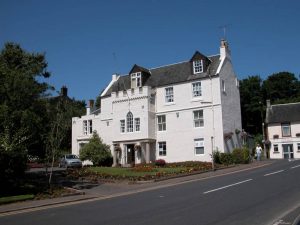
Kirktonhall - West Kilbride
History & Heritage
Kirktonhall, is one of the oldest buildings in West Kilbride, built in 1660 it is the birthplace of Robert Simson (1687)
04 The Bute
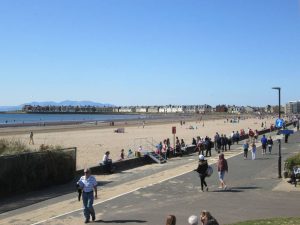
Troon - Troon
Towns & Villages
Troon is an attractive seaside town, a few miles from Prestwick International Airport in South Ayrshire.
04 The Bute

Lady Isle - Troon
Islands
Lady Isle is a small, uninhabited island, in the Firth of Clyde
04 The Bute

Fairlie - Ayrshire
Towns & Villages
Fairlie is a small village in North Ayrshire, around 3 miles from Largs
04 The Bute
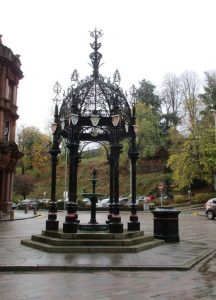
Lyle Fountain - Greenock
History & Heritage
Historic drinking fountain and now a local landmark
04 The Bute


Drongan - Ayrshire
Towns & Villages
Drongan is a former mining village, in West Ayrshire approximately 8 miles from Ayr.