See and do

Portencross Castle - West Kilbride
History & Heritage
Portencross Castle two miles from West Kilbride. http://www.portencrosscastle.org.uk Open 11- 4 weekends, bank & school hols, Easter to end Sept. Free entry.
04 The Bute

Wee Cumbrae Lighthouse - Isle of Cumbrae
History & Heritage
Little Cumbrae Lighthouse was completed in 1793 by Thomas Smithand and Robert Stevenson
04 The Bute
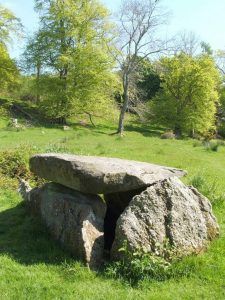
Haylie Chambered Tomb - Largs
History & Heritage
These neolithic tombs were discovered by James Wilson of Haylie in 1772, and can be found in Largs' Douglas Park
04 The Bute
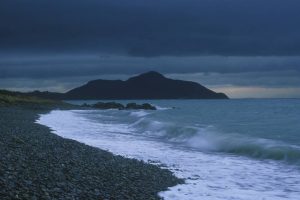
Holy Isle - Arran
Islands
The Holy Isle (Scottish Gaelic: Eilean MoLaise) is one of a number of islands in the United Kingdom which go under the name "Holy Island".
03 The Arran
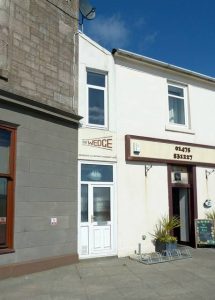
The Wedge - Isle of Cumbrae
History & Heritage
The Wedge is said to be the world's narrowest house.
04 The Bute
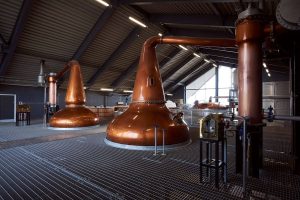
Lagg Whisky Distillery - Kilmory
Distilleries & Breweries
The Lagg Distillery and Visitor Centre, is situated in the south end of the Isle of Arran near Kilmory.
03 The Arran

Millport - Isle of Cumbrae
Towns & Villages
Millport is the only town or settlement of the stunning Isle of Cumbrae.
04 The Bute

Kilwinning Abbey - North Ayrshire
History & Heritage
The Abbey was founded sometime between 1162 and 1188 with monks coming from Kelso in the Scottish Borders. Its ruins sit in the centre of the town.
04 The Bute

Wallace Tower - Ayr
History & Heritage
Not to be confused with The Wallace Monument in Stirling, the Wallace Tower in Ayr predates its Stirling sibling by approximately a decade (1855-7)
04 The Bute
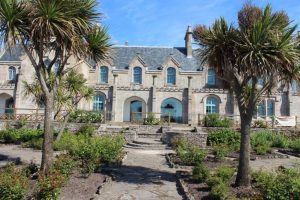
Garrison House - Millport
History & Heritage
This striking Gothic building, is now home to the Museum of the Cumbraes and the Garrison House Café, as well as the local library and council offices.
04 The Bute
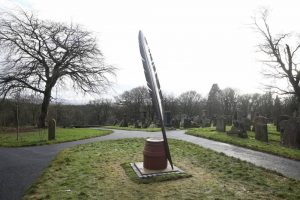
The Boswell Quill - East Ayrshire
History & Heritage
The Boswell Quill is situated in Auchinleck’s historic churchyard and celebrates writer James Boswell, the inventor of modern biography.
04 The Bute

Rothesay Castle - Isle of Bute
History & Heritage
The ruins of Rothesay Castle boast a long and close connection to the Stewart dynasty
04 The Bute

Hunterston Castle - West Kilbride
History & Heritage
We welcome guests to visit the stunning Hunterston Castle, which is one in a chain of medieval of castles, built back in the 15th/16th century.
04 The Bute

Dalmellington - Ayrshire
Towns & Villages
Dalmellington is a picturesque market town in East Ayrshire near to the Rye Burn. It has a population of around 1400 people.