See and do

Ginger the Horse - Greenock
Arts & Culture
Sculpture by Andy Scott commemorating a Greenock working-horse
04 The Bute

Lochranza Castle - Isle of Arran
History & Heritage
Lochranza Castle was built by the McSweens back in the 13th Century, and is managed by Historic Environment Scotland.
03 The Arran

Ardrossan Castle - Ardrossan
History & Heritage
The 12th Century Ardrossan Castle is one of the oldest castles in Scotland.
04 The Bute

Largs - Ayrshire
Towns & Villages
The large coastal town of Largs derived its name from An Leargaidh, meaning 'the slopes' in Gaelic.
04 The Bute

Portencross Castle - West Kilbride
History & Heritage
Portencross Castle two miles from West Kilbride. http://www.portencrosscastle.org.uk Open 11- 4 weekends, bank & school hols, Easter to end Sept. Free entry.
04 The Bute
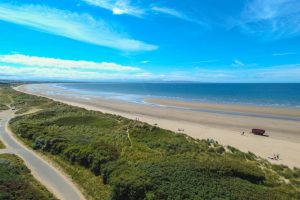
Irvine - Ayrshire
Towns & Villages
The town of Irvine is a large town with a long history.
04 The Bute

Victorian Toilets - Rothesay
History & Heritage
19th-century toilets preserved for modern use on Rothesay's seafront
04 The Bute
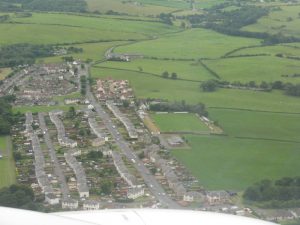
Annbank - Ayrshire
Towns & Villages
The small village of Annbank in South Ayrshire was originally a mining settlement.
04 The Bute

Greenock Custom House - Greenock
History & Heritage
A Grade A listed building built in 1818 that ceased to be used as a Customs and Excise office in 2010
04 The Bute

St Ninians Point and Chapel Well - Bute
History & Heritage
The monument consists of the remains of a chapel and surrounding enclosure, which replaced an earlier burial ground.
04 The Bute

Isle of Arran Heritage Museum - Isle of Arran
Arts & Culture
The Museum reflects the social history, archaeology and geology of Arran and her people. This wee gem is on the main road, at Rosaburn, just north of Brodick.
03 The Arran

Seagate Castle - Irvine
History & Heritage
Seagate Castle is a castle in North Ayrshire, in the town of Irvine, close to the River Irvine
04 The Bute
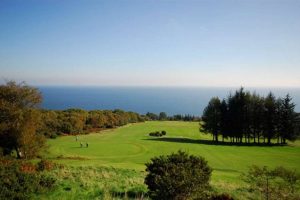
Whiting Bay - Isle of Arran
Towns & Villages
Whiting Bay is a popular tourist village located on the southern half of Arran, combining the best of modern and historical Scotland.
03 The Arran

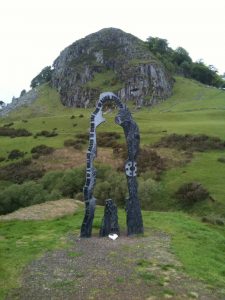
Loudounhill and Wallace Monument - Darvel
Arts & Culture
Loudonhill is a volcanic plug located near the River Irvine in East Ayrshire