See and do

Auld Kirk of Ayr - Ayr
History & Heritage
The Auld Kirk of Ayr has been a centre of worship in the town of Ayr for over 800 years
04 The Bute

Peden's Cave - Cumnock
History & Heritage
Set into a rocky red sandstone outcrop overlooking the River Lugar, Peden's Cave served as the rumoured hide-out for persecuted Covenanters throughout the 17th century
04 The Bute
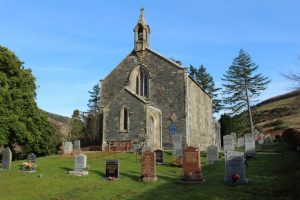
Glenapp Church - Girvan
History & Heritage
Locally known as 'The Glen Kirk', this small church is situated within the Glen itself
04 The Bute
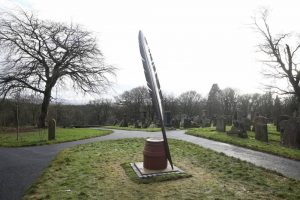
The Boswell Quill - East Ayrshire
History & Heritage
The Boswell Quill is situated in Auchinleck’s historic churchyard and celebrates writer James Boswell, the inventor of modern biography.
04 The Bute

Harbour Art Centre - Irvine
Arts & Culture
The Harbour Arts Centre, located in Irvine, began its life as a seamen’s mission.
04 The Bute
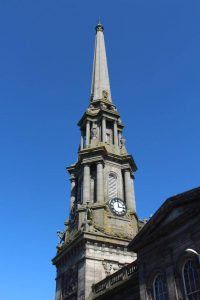

Carleton Castle - South Ayrshire
History & Heritage
Carleton Castle is a 15th-century five-storey tower, and a Category B-Listed building.
04 The Bute
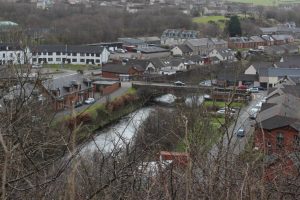
Catrine - Ayrshire
Towns & Villages
Catrine is a village that lies beside the River Ayr in East Ayrshire.
04 The Bute
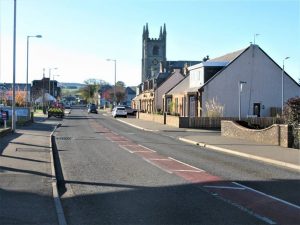
New Cumnock - Ayr
Towns & Villages
New Cumnock is a former mining town in East Ayrshire. It expanded during the 18th century; mining remained its main industry until pits closed in the 1960s.
04 The Bute
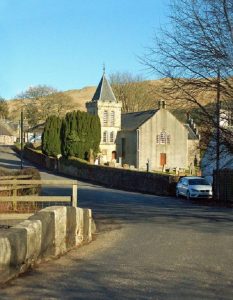
Straiton - South Ayrshire
Towns & Villages
Straiton is a small village dating back to the 18th century, located 10km south east of Maybole on the Water of Girvan.
04 The Bute

Glasgow Vennel - Irvine
History & Heritage
This important thoroughfare road was originally known as Smiddy or Smithy Bar.
04 The Bute

Rozelle House - Ayrshire
History & Heritage
Rozelle House is a mid-18th century manor on a formerly privately-owned estate in the town of Ayr
04 The Bute

Prestwick - South Ayrshire
Towns & Villages
The town of Prestwick is situated in South Ayrshire on the west coast of Scotland.
04 The Bute
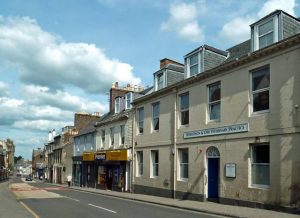
Maybole - Ayrshire
Towns & Villages
The town of Maybole is situated in South Ayrshire, 9 miles south of Ayr.
04 The Bute
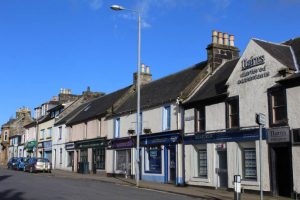
Stewarton - Ayrshire
Towns & Villages
Stewarton is a small town in East Ayrshire, around 6 mile away from Kilmarnock and a population of approximately 6500.